Choosing between the ferry and the Eurotunnel, families often pick the ship — with good reason. Instead of 35 minutes in car seats, the kids get 90 minutes to move around, go on deck and watch the white cliffs appear. With a little preparation, the crossing becomes the most relaxed part of the trip.
Making the Crossing Work with Children
From booking to rolling off at Calais or Dover — the key points for families:
Booking: use child fares
Children travel much cheaper than adults on Calais–Dover, and infants often go free (age limits vary by operator). Enter every passenger's age when booking — it directly affects the price. Family-friendly timing: mid-morning sailings, when everyone's slept.
On board: play areas & room to roam
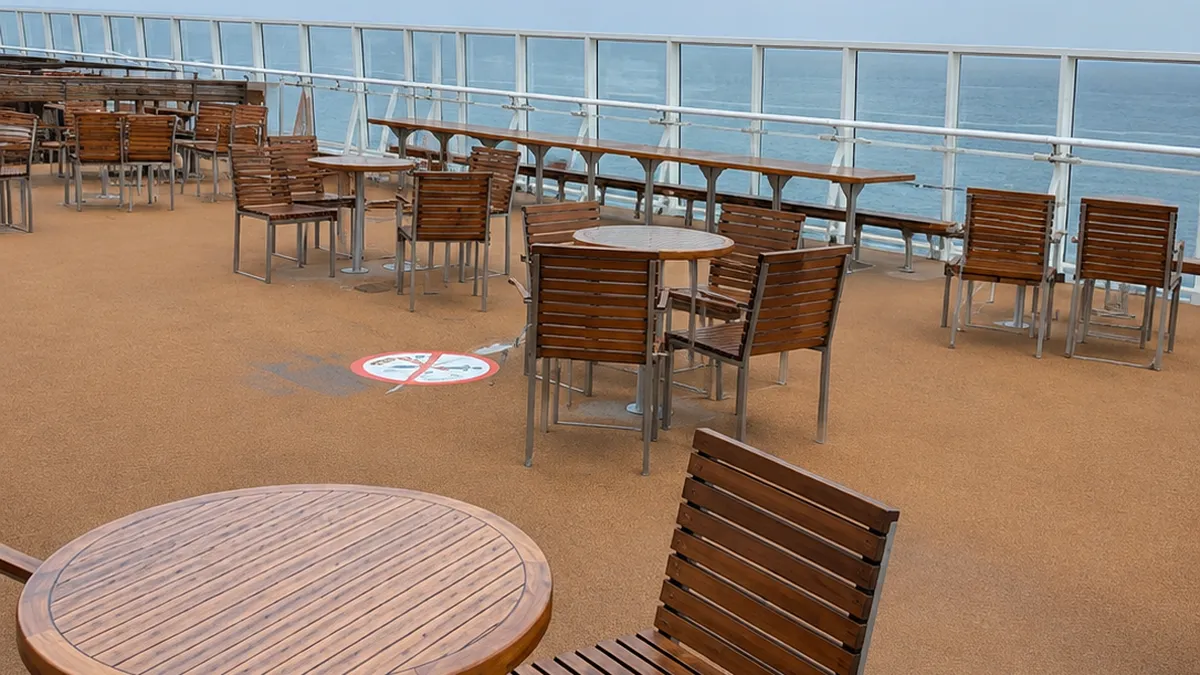
The big ships on this route have children's play areas, family zones and plenty of space to wander, plus cafeterias with kids' meals and baby-change rooms. After departure, head for the open deck: seagulls escort the ship, and after about an hour the White Cliffs appear.
The day bag: what comes upstairs
Your car stays locked on the vehicle deck for the whole crossing. Pack a small bag with everything the kids will need for 90 minutes: snacks, drinks, nappies, a favourite toy, and a light jacket for the deck (it's always breezy!). Buggies can come up with you.
Timing: buffer beats stress
Everything takes longer with children — plan to be at the terminal 90 minutes before departure (120 in summer). That leaves time for toilet stops and border control without rushing. On arrival: everyone buckled first, then roll off — disembarking moves fast.
If it gets choppy: preventing seasickness
The Channel is usually calm, but in wind it helps to stay midships, watch the horizon and stick to light snacks. For sensitive children there are age-appropriate travel remedies from the pharmacy — check with your GP or pharmacist first.
Calais–Dover ferry from £39 per person
31 daily crossings · 90 minutes · compare P&O, DFDS & Irish Ferries
Compare & book your crossing →