The most common ferry mishaps aren't technical: passports left in the boot, jackets left in the car when the deck breeze bites, and hi-vis vests bought hastily at a French service station. This list sorts everything into three layers — what belongs in the document wallet, what goes in the day bag, and what stays in the car but must be sorted before you sail.
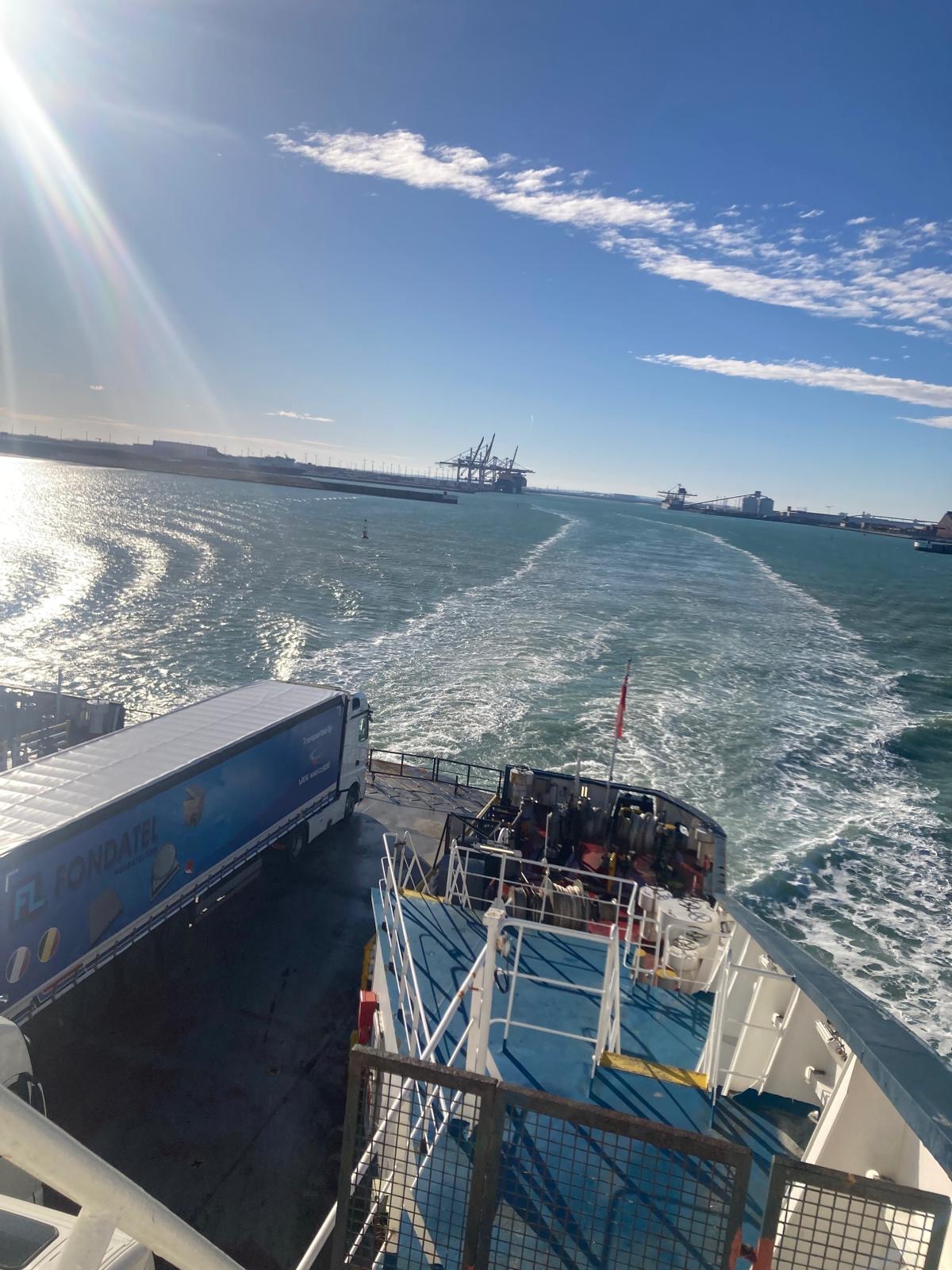
The Packing List in Three Layers
Sorted by access: within reach at check-in, with you on board, stowed in the car.
Layer 1 — within reach at check-in
At check-in and border control you'll need, without rummaging: passports for every occupant (children and babies included!), your booking confirmation (digital is fine) and, for pets, the animal health certificate or pet passport. Keep it all in one wallet by the passenger seat.
Layer 2 — the day bag
The car is inaccessible for the whole 90 minutes. Into the bag: valuables, phone + power bank, water and snacks, medication, a windproof jacket (the deck is always breezy), entertainment for the kids and everything baby-related. Even in a heatwave: keep the jacket.
Layer 3 — for driving in France
Stowed in the car but sorted before you sail: warning triangle and hi-vis vest (compulsory in France, vest reachable from the driver's seat), headlamp beam deflectors or tourist mode set, V5C and insurance proof in the glovebox, UK identifier on the car, and a Crit'Air sticker if you're heading into French cities.
The classic forgotten items
Route experience says: EU plug adapters (two-pin!), sunglasses for the deck, travel sickness remedies for delicate stomachs, a bin bag for the car and — banally — charged devices. A European multi-socket by the hotel bed the night before saves morning arguments.
Calais–Dover ferry from £39 per person
31 daily crossings · 90 minutes · compare P&O, DFDS & Irish Ferries
Compare & book your crossing →