Channel ferry in a storm – the key rule
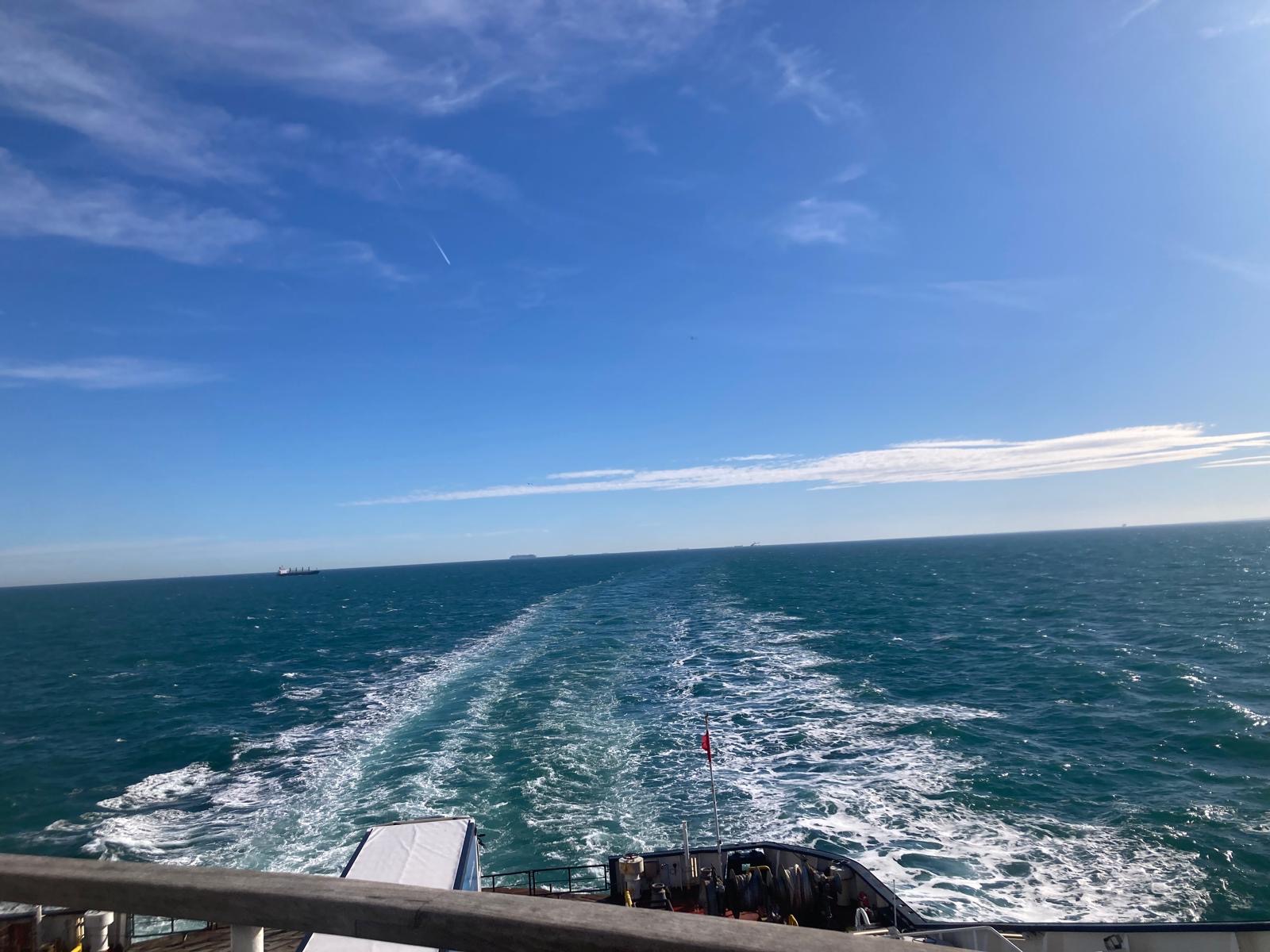
The English Channel has a fearsome reputation among sailors – deservedly. The short but shallow waterway reacts quickly to wind with steep, uncomfortable swells. But: Modern ferries on the Calais–Dover route are built for far worse conditions than you'll ever encounter. In over 20 years there has been no weather-related disaster on this route.
Cancellations due to storms are very rare – only in extreme conditions (Force 10+, waves over 5–6 metres). At Force 7–8 there are delays of 30–90 minutes but sailings continue. At Force 9 the captain and harbour authority decide on the spot.
Beaufort scale: what does it mean for your crossing?
| Wind Force | Description | Wave height | Ferry service | Experience on board |
|---|---|---|---|---|
| 1–4 | Light–Moderate | up to 1.5m | Normal ✓ | Barely noticeable, pleasant crossing |
| 5–6 | Fresh–Strong | 2–4m | Normal ✓ | Noticeable, drinks may slosh |
| 7–8 | Near Gale–Gale | 4–6m | Delays possible | Definite rolling, open deck closed |
| 9 | Strong Gale | up to 7m | Decision on site | Strong rolling, some passengers sick |
| 10+ | Storm | 7m+ | Cancellation possible | Service suspended |
Calmest and stormiest months
The forecast said 'fresh wind' – an understatement. Force 8, waves up to 4 metres. Cups had been swapped for plastic, crockery began sliding. The crew stayed professional, the captain gave regular updates over the intercom. After 90 minutes of wave-surfing we arrived in Dover 45 minutes late. Everything safe, everything fine – but the fish & chips stayed untouched.
— First-hand account, November crossing, Force 8Tips against seasickness on the ferry
💊 Medication & remedies
- Tablets (e.g. Dramamine, Stugeron, Kwells) at least 30–45 min before departure – too late after the fact.
- Patches (Scopoderm): prescription-only but very effective. Apply 4–12h before departure.
- Acupressure bands (Sea-Band) on both wrists – work for many people with no side effects.
- Ginger: ginger capsules or tea 1h before departure. Natural alternative.
📍 Best spots in rough weather
- Amidships & mid-deck height: least movement – avoid bow, stern, or very top decks.
- Open deck: fresh air and fixing your gaze on the horizon is the best remedy – while it's not closed.
- Panorama lounge: large windows with horizon view – much better than interior spaces.
- Don't read, don't look at your phone – this dramatically accelerates motion sickness.
🍽️ Food & drink
- A light stomach is better than an empty one – eat something small before boarding.
- Avoid heavy, greasy food (fish & chips) – save it for Dover.
- Drink plenty of water – dehydration makes nausea worse.
- Ginger ale or ginger tea available on board – helps some people.
⚡ What to do when it starts
- Get to fresh air on the open deck immediately – fix your gaze on the horizon.
- Lie down (horizontal) if deck is closed – reduces the balance disturbance.
- Speak to the crew – they know the situation and have sickness bags, and can advise.
- Breathe: slow in through the nose, out through the mouth. Helps with the anxiety.
What happens if your ferry is cancelled due to a storm?
All three operators (P&O Ferries, DFDS Seaways, Irish Ferries) automatically rebook onto the next available sailing in the event of weather cancellation – at no extra charge. You'll be actively notified (email/SMS if mobile number provided).
If you decline rebooking and prefer a refund, allow up to 14 working days. Travel insurance policies typically cover weather-related cancellations – check your policy in advance.
Check the weather before you travel
- →Windy.com – best visual display of wind and waves in the English Channel
- →XC Weather (xcweather.co.uk) – specialist in British coastal areas, very reliable
- →Ferry operator websites – P&O, DFDS and Irish Ferries post alerts on their websites when disruptions are known
- →Port of Dover (@PortofDover) – Twitter/X gives real-time updates during disruptions